News as of July 21st: Amazon’s BSR (Best Seller Rank) algorithm has recently undergone core adjustments. Not only has its display position moved forward and update delays intensified, but it has also shifted from a “sales-oriented” approach to a multi-dimensional weighted evaluation, with four new key indicators added. This change strengthens the “top-tier effect” and puts seasonal products at risk of reduced exposure.
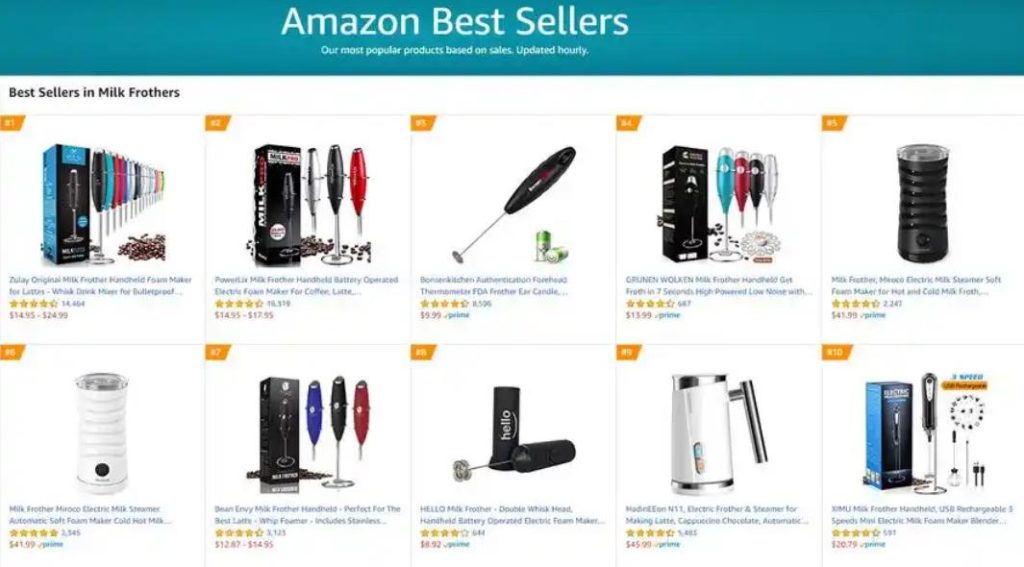
Sellers can use flash sales to boost sales in the short term; in the medium term, they can rely on Green Badge certification and product page optimization to stabilize their rankings; and in the long term, they should build flexible supply chains and a global review management system. Top-tier sellers are expected to benefit from the new rules, while small and medium-sized sellers need to focus on niche categories to achieve differentiated competition.
What changes have been made to the BSR algorithm?
- It no longer solely focuses on sales volume. Instead, new key indicators have been added, making it a multi-faceted evaluation of products.
- The Best Seller Rank display position has moved further forward, but data updates have slowed down.
- Top-selling products now have a more obvious advantage; seasonal products may face fewer exposure opportunities due to slow data updates.
What should Amazon sellers do?
- In the short term: Participate in flash sales to boost sales, which can help gain more traffic.
- In the medium term: Apply for Green Badge certification and optimize product pages to stabilize the product’s weight in the rankings.
- In the long term: Establish a flexible supply chain and manage user reviews on a global scale.
- Large sellers: Can gain more advantages through this new rule.
- Small and medium-sized sellers: Can focus on niche categories and achieve differentiation through data analysis and rapid response.
Amazon Prime Day: BSR Ranking Adjustments and Responses