The main drivers of the market’s growth include clearer product descriptions, changes in consumption concepts under economic pressure, and enhanced environmental awareness. However, the lack of warranty services and concerns about the actual condition of goods are the main reasons why some consumers hesitate to purchase.
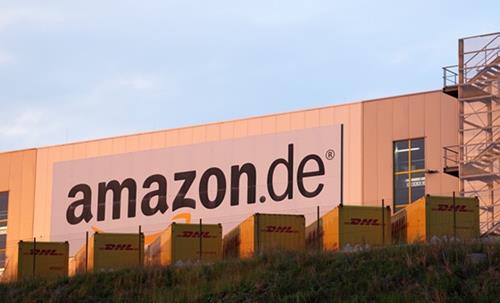
In addition, Amazon’s sales of second-hand goods in Europe exceeded 2 billion euros in 2024, indicating huge potential in this market.
Question: What is the expected scale of Germany’s online second-hand market in 2025? What does this data reflect?
Answer: The scale of Germany’s online second-hand market is expected to grow to 7 billion euros by 2025. This data reflects that Germany’s online second-hand market is in a stage of growth, with a relatively large market volume and strong development potential.
Question: Why has clothing become the most popular category among second-hand goods in Germany (inferred based on market context)?
Answer: Inferred from the relevant market context, clothing is a high-frequency daily consumer good with a fast replacement cycle, and second-hand clothing has prominent cost performance. At the same time, clearer product descriptions can reduce consumers’ concerns about information gaps regarding second-hand clothing, and the improvement of environmental awareness has also made the recycling of second-hand clothing more acceptable. Therefore, it has become the most popular category.
Question: What are the core drivers of the growth of Germany’s online second-hand market? From what perspectives do these drivers promote market development?
pportunities to be Explored in Germany’s Online Second-Hand Market
- Entry opportunities brought by market scale growth: Germany’s online second-hand market is expected to reach 7 billion euros by 2025 and is in a growth stage, providing market space for new entrants or expansion of existing enterprises.
- Layout opportunities in popular categories: Clothing has become the most popular category with a 52% share, followed by small household appliances and smartphones in demand. Resources can be focused on these high-demand categories.
- Operational opportunities by leveraging growth drivers: By optimizing product descriptions (improving information transparency) and emphasizing the concepts of “cost-effectiveness” and “environmental protection” (in line with consumption concepts and environmental awareness), target users can be attracted.
- Opportunities for expansion in the European market: Amazon’s sales of second-hand goods in Europe exceeded 2 billion euros in 2024, indicating the potential of Europe’s overall second-hand market. It is feasible to consider taking Germany as a starting point to expand to other European regions.
Matters to note
- Address consumers’ core concerns: It is necessary to specifically tackle issues such as “lack of warranty” and “worries about the actual condition of goods” (e.g., providing short-term warranties, quality inspection reports, etc.), otherwise it may affect users’ purchase decisions.
- Respond to market competition: Leading enterprises like Amazon have already gained a certain share in Europe’s second-hand market, so differentiated competition (such as deep cultivation in vertical categories, optimization of localized services, etc.) is required.